Key Takeaways
- PRP, short for platelet-rich plasma, is made from a small sample of your own blood, while stem cell injections use cells taken from your own bone marrow or fat tissue.
- Both belong to a group called orthobiologics, which are substances from the body used to support healing in joints, tendons, and ligaments.
- Research is strongest for PRP in certain tendon and bursal problems such as patellar tendinits, tennis elbow, and greater trochanteric bursiits, as well as mild to moderate knee arthritis, although the U.S. Food and Drug Administration (FDA) has not approved stem cell products for orthopedic conditions.
- Buffalo Orthopedics offers orthobiologic consultations at its Williamsville and Orchard Park offices, where Dr. Parentis helps patients decide if these options fit. Request an appointment to find out if they could ease your joint pain.
What Are Orthobiologics in Simple Terms?
Orthobiologics are natural substances from your own body that doctors use to help injuries heal. The word 'ortho' refers to bones and joints, and 'biologics' refers to materials made by living cells. PRP and stem cell injections are the two most common types.
For years, chronic joint pain was treated with physical therapy, medication, cortisone shots, or surgery. Orthobiologics add another option for some patients. Dr. Parentis is a double fellowship-trained surgeon in sports medicine and foot and ankle surgery, so he looks at these injections as one tool among many, not a cure-all.
What Is a PRP Injection and How Is It Made?
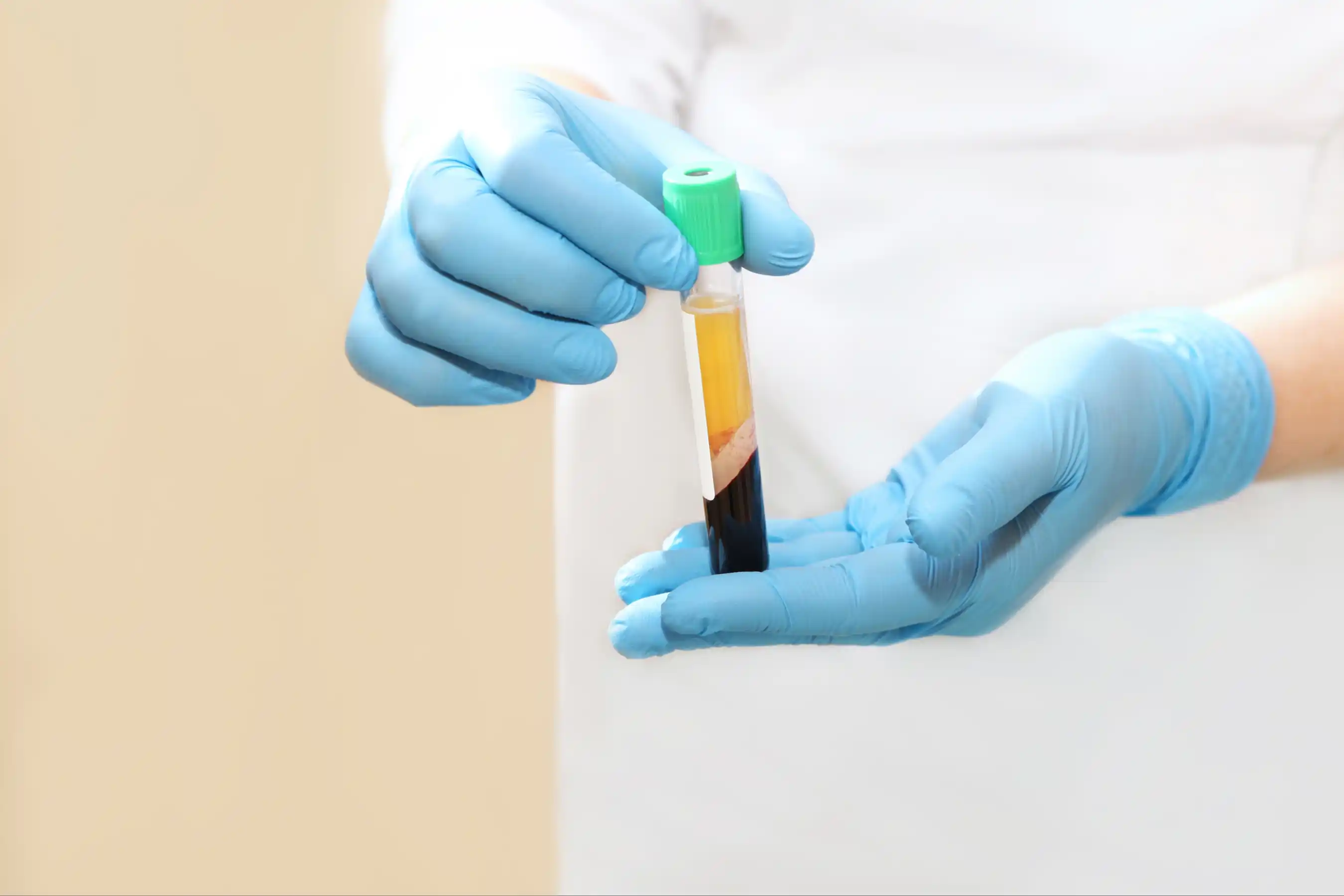
A PRP injection is a concentrated dose of your own platelets placed into an injured joint or tendon. Platelets are blood cells best known for helping blood clot. They also carry hundreds of proteins called growth factors that play a role in healing.
According to the American Academy of Orthopaedic Surgeons (AAOS), PRP can contain 5 to 10 times more platelets than normal blood. The process is simple:
- A small amount of blood is drawn from your arm. Typically 18-20ml
- The blood is spun in a machine called a centrifuge to separate and concentrate the platelets.
- The PRP is injected into the painful area, typically with ultrasound guidance for accuracy.
The AAOS also notes that it is not exactly clear how PRP works, though lab studies suggest the extra growth factors may speed up healing.
How Are Stem Cell Injections Different?
Stem cells are the body's 'master cells' because they can develop into many cell types. For orthopedic use, they are typically collected from your own bone marrow or fat tissue and then injected into the injured area, as described on the Buffalo Orthopedics stem cell and PRP page.
It is important to know where the science stands. The FDA states that regenerative medicine therapies have not been approved for orthopedic conditions such as osteoarthritis, tendonitis, or knee pain. That is why an honest conversation about benefits, limits, and how a product is prepared matters before any stem cell treatment.
| PRP | Stem Cell Injection | Cortisone Shot | Viscosupplement | |
|---|---|---|---|---|
| Source | Your own blood | Your own bone marrow or fat | Steroid medication | Hyaluronic acid, a gel-like substance found naturally in joint fluid |
| Main goal | Support the body's healing response | Support tissue repair | Calm inflammation | Add cushioning and lubrication to the joint |
| Pain relief timing | Gradual, over weeks | Gradual, over weeks | Often quick | Gradual, often over several weeks |
| Key consideration | Best research for some tendon and bursal problems as well as mild to moderate knee arthritis | Not FDA-approved for orthopedic conditions | Repeated short term shots may weaken tendons and cartilage over time which is why does not inject steroids in the short term | Used for knee arthritis; research on benefit is mixed, and it does not reverse arthritis or regrow cartilage |
What Happens During an Orthobiologics Appointment?
Your first visit is a consultation, not just an injection. Dr. Parentis listens to your history, examines the joint, and reviews your X-rays or magnetic resonance imaging (MRI) scans. He believes not everyone is a good candidate, so this step decides whether treatment makes sense.
If you move forward, the injection is done in the office, and you go home the same day. The appointment typically takes about 30 minutes. Mild to moderate soreness for a few days is common.
Who May Be a Good Candidate?
Orthobiologics for arthritis and other joint problems are usually considered after other care has not given enough relief. You may be a candidate if you have:
- Joint pain that has not improved with rest, physical therapy, or medication.
- Early to moderate arthritis, especially in the knee.
- A long-lasting tendon or bursal problem, such as tennis elbow, patellar tendinitis, or greater trochanteric bursitis.
Advanced arthritis or a major tear may need a different plan, such as knee replacement surgery. Dr. Parentis will tell you plainly which path fits.
Why Choose Buffalo Orthopedics for Orthobiologic Care?
Buffalo Orthopedics is a solo practice, so you build a real relationship with your doctor instead of being passed between providers. You will see Dr. Parentis himself at many of your visits, at either the Williamsville office or the Orchard Park office. With more than 25 years of experience, he looks for the safest, most realistic option for each patient. As an orthopedic doctor in Buffalo, NY, he is currently accepting new patients.
Find Out If Orthobiologics Can Ease Your Joint Pain
PRP uses your own platelets, stem cell injections use your own cells, and both aim to support healing rather than only mask pain. The evidence is stronger for some conditions than others, so a careful exam comes first.
To learn whether these treatments fit your joint pain, request an appointment with Buffalo Orthopedics or call 716-508-8252. You can also read more about stem cell and PRP injections with Dr. Parentis.
Frequently Asked Questions
What is a PRP injection?
A PRP injection uses platelets concentrated from your own blood. After a blood draw and spin in a centrifuge, the PRP is injected into an injured joint or tendon to support healing.
Where can I find an orthopedic doctor in Buffalo, NY who offers PRP injections?
Buffalo Orthopedics offers PRP and stem cell consultations at its Williamsville and Orchard Park offices. Dr. Parentis evaluates each patient personally to decide if treatment fits.
Are stem cell injections for joint pain FDA approved?
No. The FDA says regenerative medicine therapies have not been approved for orthopedic conditions such as osteoarthritis or tendonitis. Dr. Parentis can explain the current evidence and your options.
Does insurance cover PRP injections?
No, not in WNY. None of the insurance plans in WNY reimburse PRP injections. Check with your insurer, or call Buffalo Orthopedics at 716-508-8252 with cost questions.
How are orthobiologics different from cortisone injections?
Cortisone calms inflammation and can work quickly but does not heal tissue. Orthobiologics aim to support the body's repair process, so relief usually builds more slowly.
