Your Specialist for Shoulder Stability
Shoulder Instability Correction in Buffalo, NY
The feeling of your shoulder popping out of place is alarming and painful. Whether it happens during a sports tackle, an awkward reach, or simply while rolling over in bed, shoulder instability can make you afraid to trust your own body. This condition, where the ball of the shoulder joint slips out of the socket, often leads to a cycle of recurring dislocations and apprehension. You might find yourself avoiding certain movements or sports you love, fearing that next painful "pop." When physical therapy and strengthening aren't enough to keep the joint secure, shoulder instability correction offers a path to regain your confidence and your active lifestyle.
At Buffalo Orthopedics, Dr. Parentis provides a level of expertise and personal connection that is increasingly rare. With over 25 years of experience and a double fellowship in sports medicine and foot/ankle surgery, he has the specialized skills to diagnose and repair unstable shoulders effectively. Unlike large, factory-style clinics, our solo practice offers a family-style atmosphere. You will be seen directly by Dr. Parentis at many of your visits—not by an assistant. We are currently accepting new patients and welcome those seeking second opinions or care for Workers' Compensation cases.
If you are looking for a shoulder doctor who prioritizes personalized, long-term solutions, look no further. Contact Buffalo Orthopedics today to schedule your consultation and stabilize your future.
What is Shoulder Instability and How Does it Work?
Shoulder instability is a chronic condition that causes the shoulder joint to be loose or slip out of place repeatedly. The shoulder is a ball-and-socket joint, but the socket is very shallow, much like a golf ball sitting on a tee. It relies heavily on ligaments, the labrum (a rim of cartilage), and muscles to stay in place. Instability usually begins after a traumatic injury, like a dislocation, which stretches or tears these supporting structures. Once stretched, they may remain loose, allowing the ball to slide out of the socket easily.
The hallmark shoulder instability symptoms include a sensation of the shoulder "giving way," repeated dislocations (subluxations), persistent pain, and a feeling of looseness in the joint. Patients often describe apprehension or fear when putting the affected arm in certain positions, like throwing a ball or reaching overhead. Effective shoulder instability treatment aims to tighten these loose structures and restore the mechanical integrity of the joint.
How Do I Schedule an Appointment?
At Buffalo Orthopedics, we make it simple to get the expert care you need. We are currently accepting new patients and are ready to help you stabilize your shoulder. You won't have to navigate a complex hospital system; simply call our office to speak with our friendly staff. We are experienced in handling Workers' Compensation cases and can help you understand your insurance benefits. Whether you need a diagnosis or are considering surgery, we are here to help.
Frequently Asked Questions About Shoulder Instability
What Does Shoulder Instability Correction Treat or Help With?
The primary goal of shoulder instability correction is to stop the cycle of dislocation and restore the stability of the joint. Every time the shoulder pops out, it can damage the cartilage and bone, increasing the risk of arthritis later in life. Correction helps prevent this long-term damage while allowing you to return to the activities you enjoy.
This treatment specifically addresses:
- Recurrent Dislocations: Stopping the shoulder from slipping out of the socket.
- Apprehension: eliminating the fear of using the arm in overhead or reaching positions.
- Pain and Weakness: Reducing the chronic ache associated with a loose joint.
- Labral Tears: Repairing the torn cartilage (Bankart lesion) that often accompanies instability
By undergoing shoulder instability repair, patients can regain the strength and confidence needed for sports, work, and daily living without the constant worry of an injury.
What Happens During a Shoulder Instability Appointment?
Your visit to Buffalo Orthopedics will most likely begin with a personalized, one-on-one consultation with Dr. Parentis. We believe that understanding your specific needs is the first step to recovery. Dr. Parentis will start by listening to your history—how the first dislocation happened, how often it feels unstable, and what activities trigger the instability.
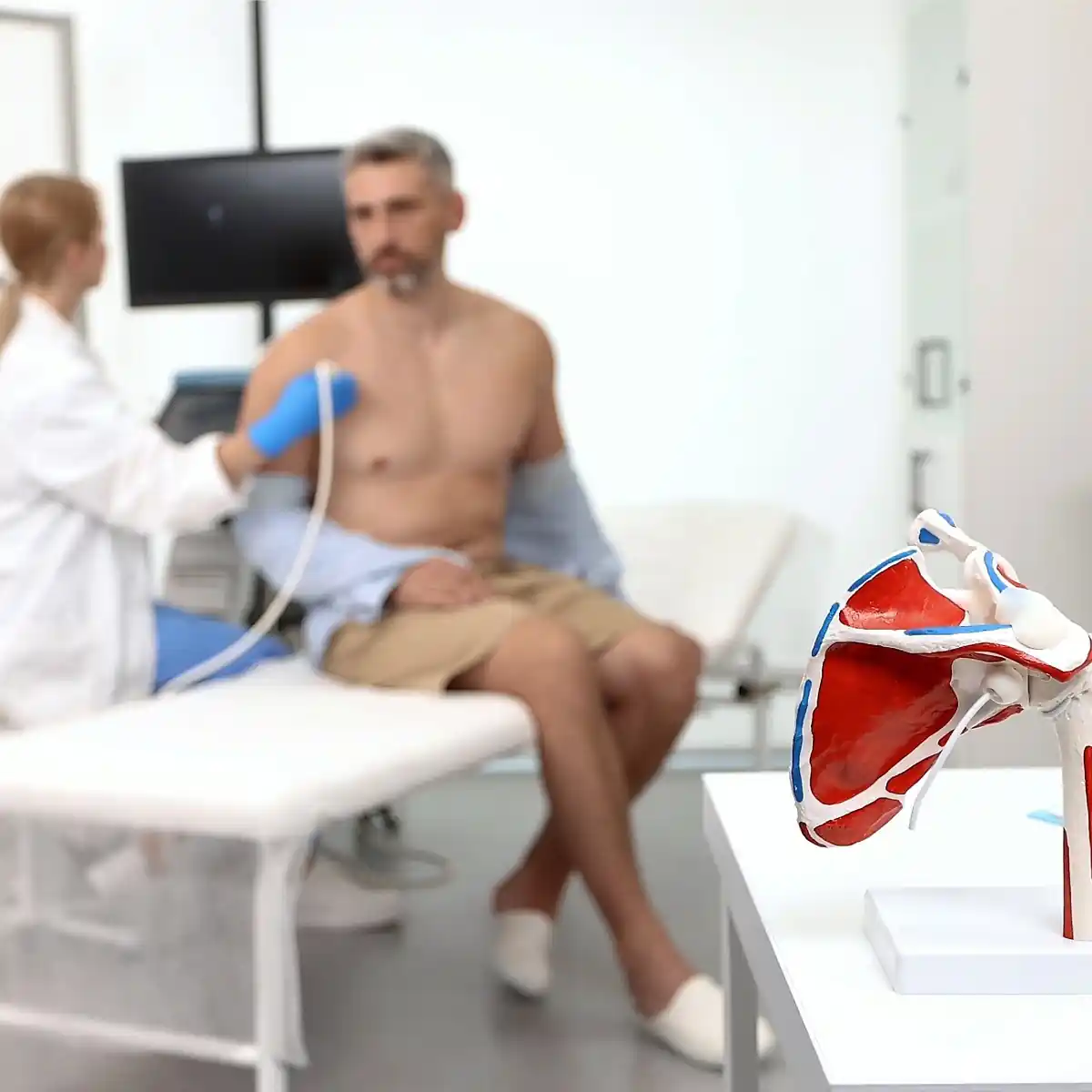
He will perform a comprehensive physical examination, which includes a specific shoulder instability test (like the apprehension test) to assess the looseness of the ligaments and the direction of the instability. To visualize the soft tissues and confirm the extent of the damage—such as a labral tear or rotator cuff injury—he will likely order an MRI or MR arthrogram. Based on these findings, Dr. Parentis will explain your diagnosis and discuss whether shoulder instability surgery is necessary or if a dedicated physical therapy program could be sufficient. You will leave with a clear understanding of your condition and a plan tailored to your lifestyle.
Is Shoulder Instability Surgery Safe?
Shoulder instability surgery is a highly successful and safe procedure, particularly when performed by a sports medicine specialist like Dr. Parentis. His advanced training allows him to perform these repairs with precision, often using minimally invasive arthroscopic techniques. This involves small incisions and a camera, which typically results in less pain and a lower risk of infection compared to open surgery.
However, as with any surgical intervention, there are potential risks, such as stiffness, infection, nerve injury, or the possibility of recurrent instability. Dr. Parentis will have a transparent discussion with you about these risks during your consultation. He follows strict safety protocols and utilizes the latest surgical anchors and sutures to ensure a strong repair. His hands-on approach means he personally oversees your recovery, ensuring that any issues are caught and addressed early.
How is Shoulder Instability Correction Different from Other Treatment Options?
Non-surgical treatment is often the first line of defense for a first-time dislocation. This includes immobilization in a sling followed by physical therapy to strengthen the rotator cuff muscles that help hold the shoulder in place. For some patients, especially those who are older or less active, this can be effective.
However, for young, active patients or those with recurrent dislocations, the ligaments are often too stretched or torn to heal on their own. In these cases, physical therapy manages the symptoms but does not fix the underlying mechanical looseness. Shoulder instability correction surgery is different because it anatomically repairs the damage. It reattaches the torn labrum to the bone (Bankart repair) or tightens the stretched capsule (capsular shift). This provides a structural solution that physical therapy cannot achieve, offering the best chance for returning to high-demand sports and activities.
How Long Does Recovery Take After Shoulder Instability Surgery?
Recovery from shoulder instability surgery is a process that requires patience and adherence to a strict protocol to protect the repair. The total recovery time can take 4 to 6 months. Immediately following surgery, you will wear a sling for about 4 to 6 weeks to keep the shoulder immobilized while the tissues heal back to the bone.
Physical therapy usually begins after the first few weeks, starting with gentle passive motion to prevent stiffness. Active motion is introduced gradually. You will likely return to light daily activities and desk work within a few weeks, but lifting and sports are restricted for longer. Strengthening exercises typically begin around 6 weeks post-surgery. Full return to contact sports or heavy lifting is usually allowed around the 4-6-month mark, once the shoulder is strong and stable. Dr. Parentis and his team will guide you through each phase, ensuring you don't push too hard too soon.